Streptocarpus kentaniensis was named after the town near where it was first found which had the name of Kentani, now called Centane, in the Transkei region of the Eastern Cape Province of South Africa. In the language spoken there, isiXhosa, the letter “c” is pronounced with a slight click, almost like a “tz” with the tongue on the upper palate, but needless to say we all pronounce “kentaniensis” with a hard “k”!
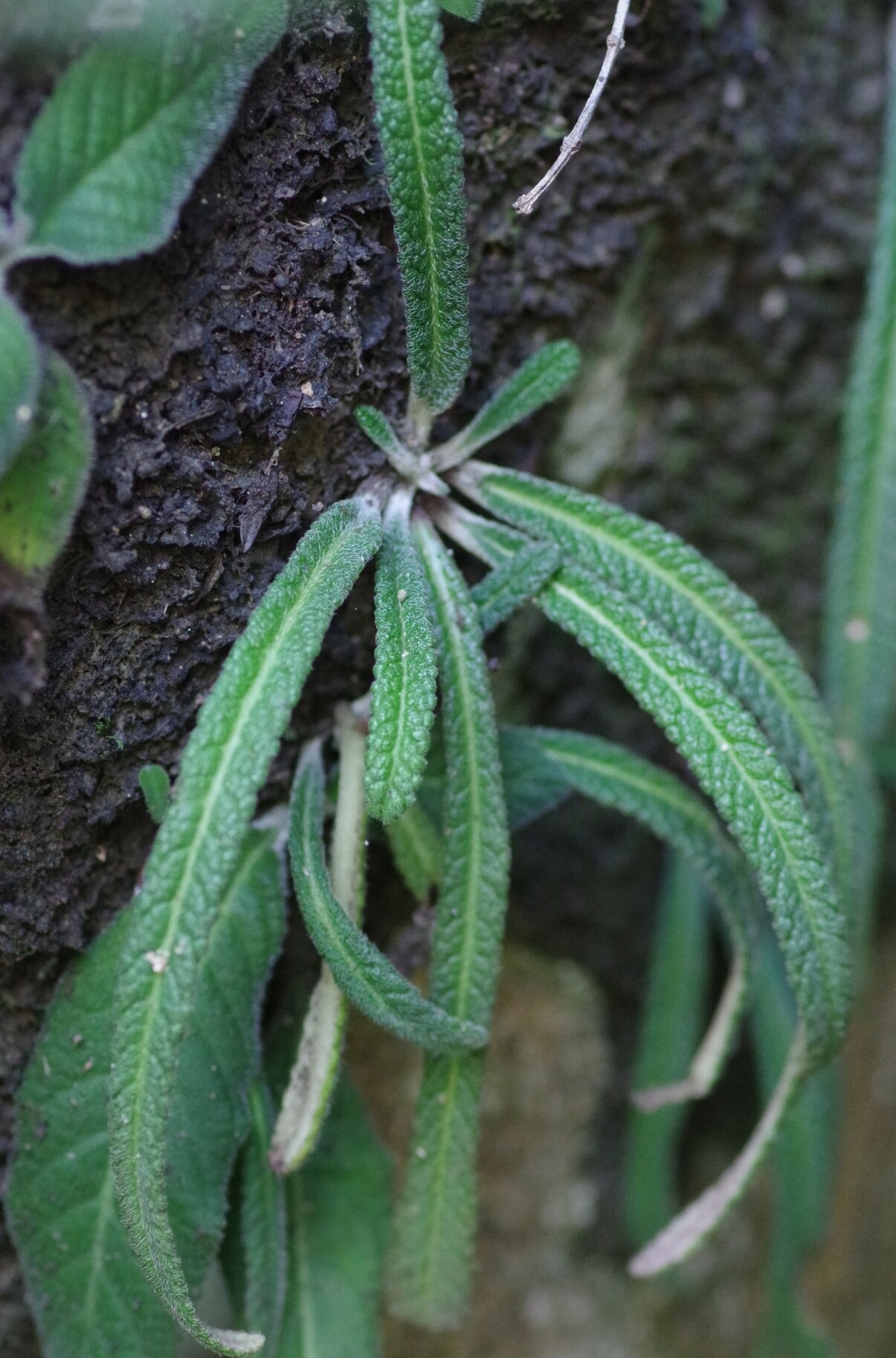
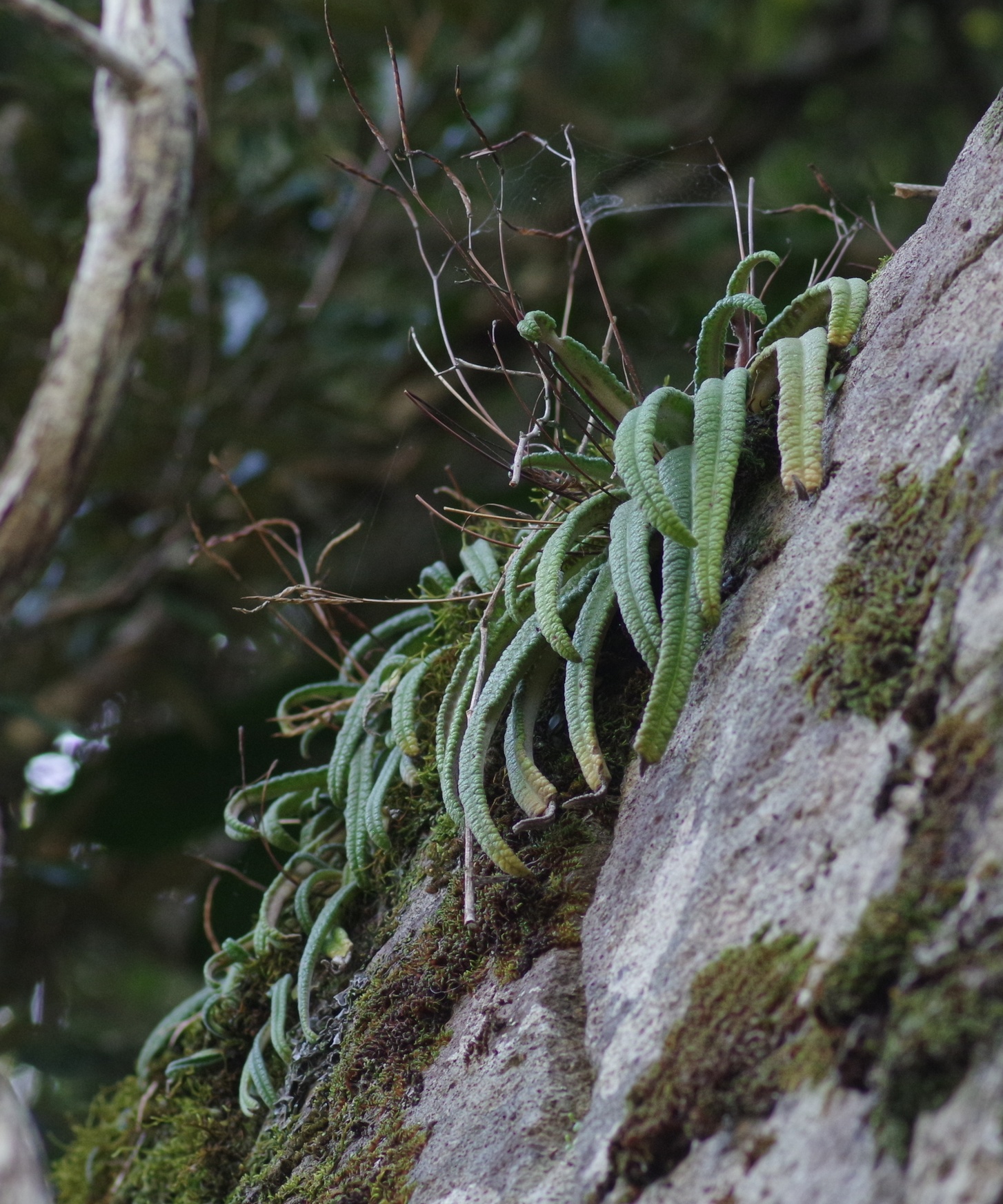
Streptocarpus kentaniensis occurs in the vicinity of Centane where grows mainly on rocks or in rock cracks in moss clumps but its distribution extends to the east across the Great Kei River. The area can be very dry for extended periods due to irregular rainfall. The species has therefore adapted and its leaves are small and narrow, and very leathery and fleshy to hold water reserves. On the underside of the leaves, a network of veins has evolved which forms deep pits between them and the stomata are deeply buried to further protect against moisture loss.
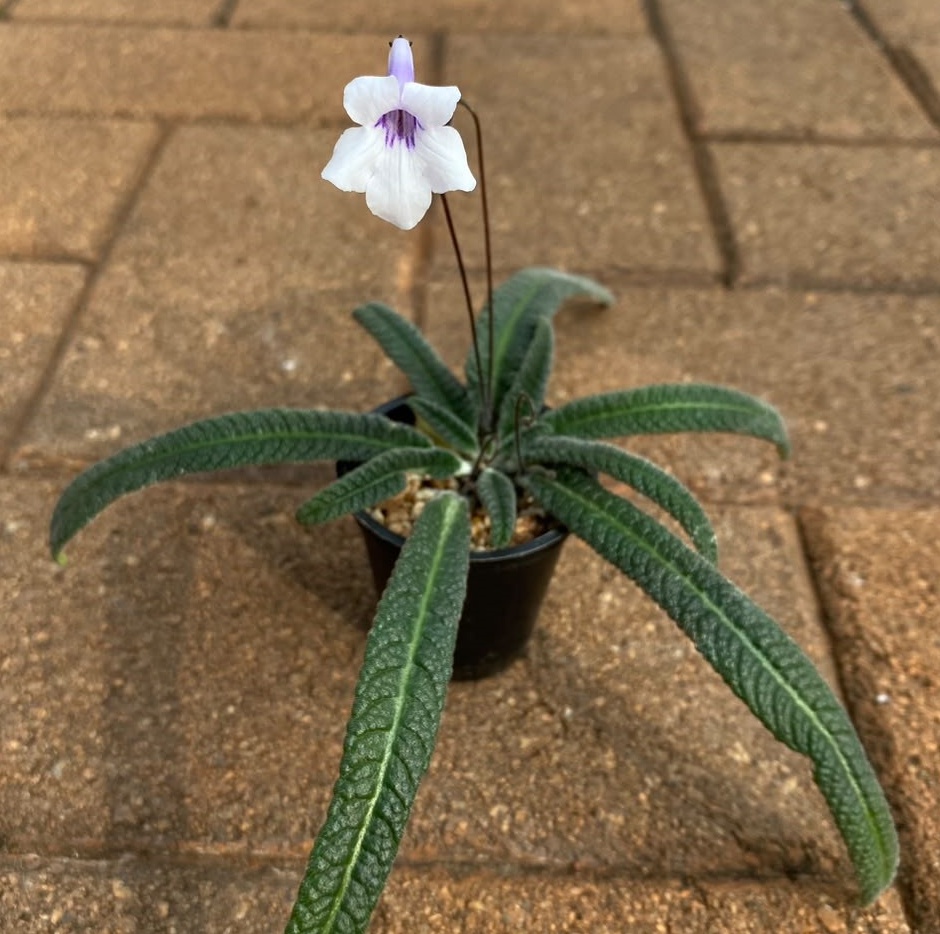
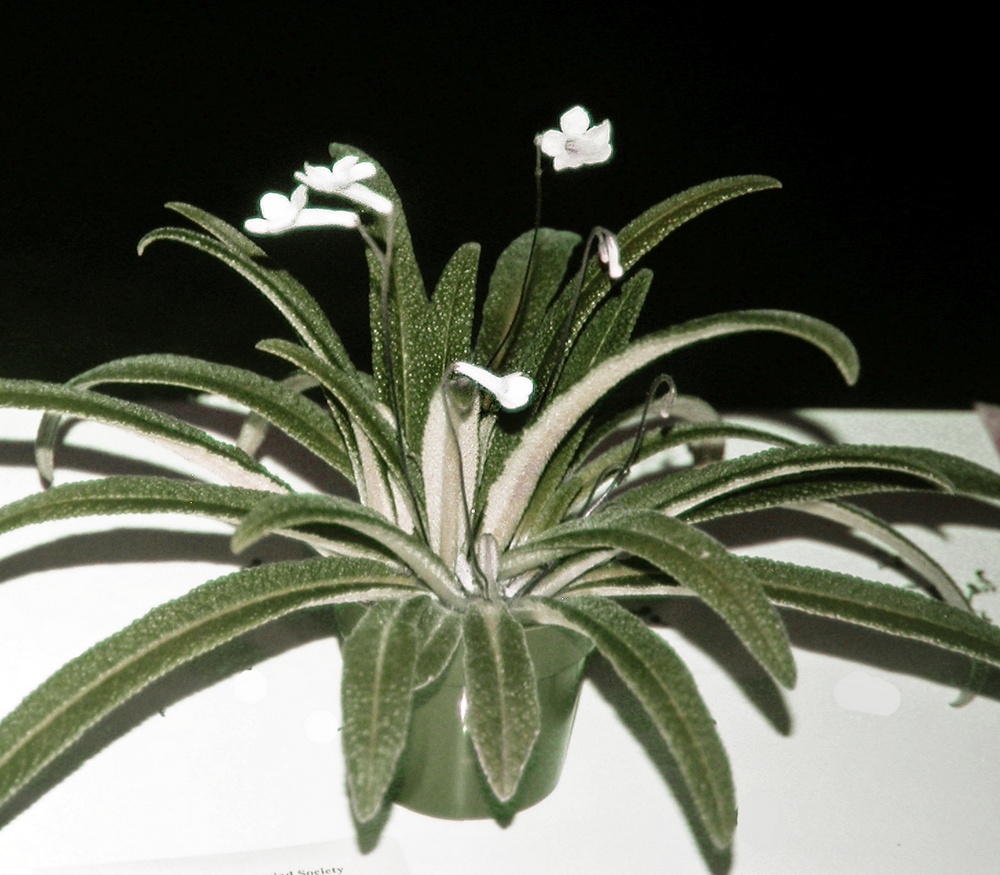
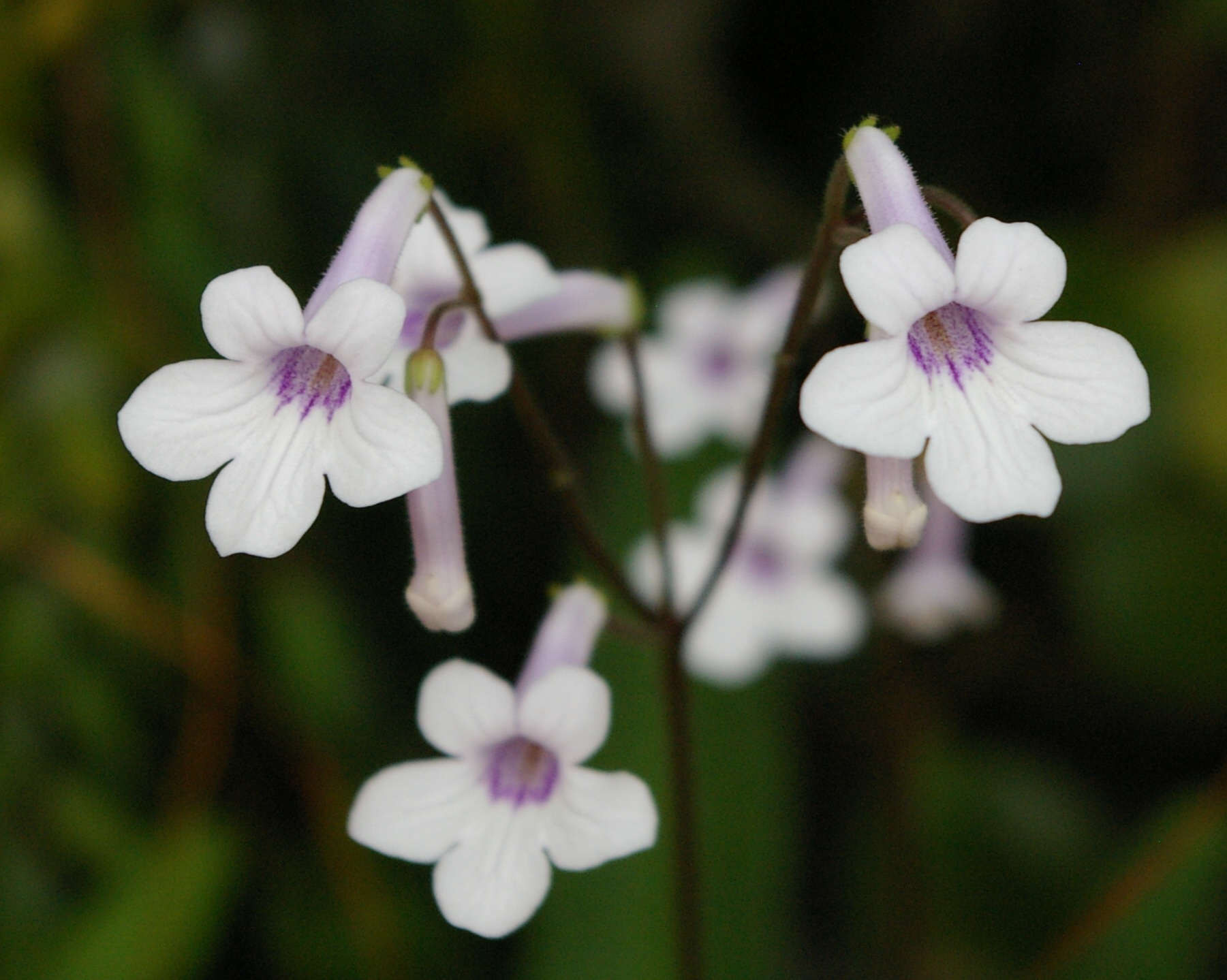
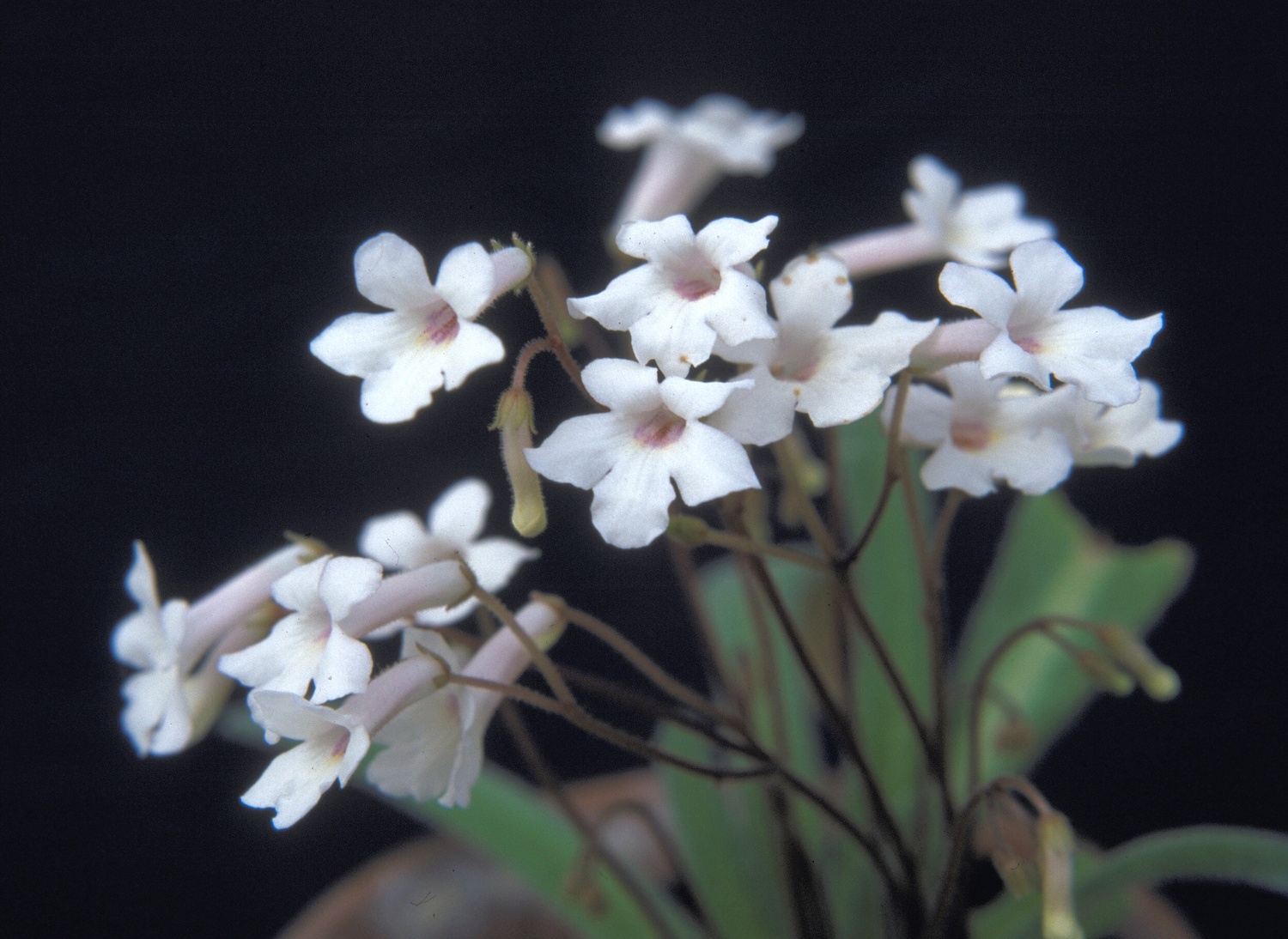
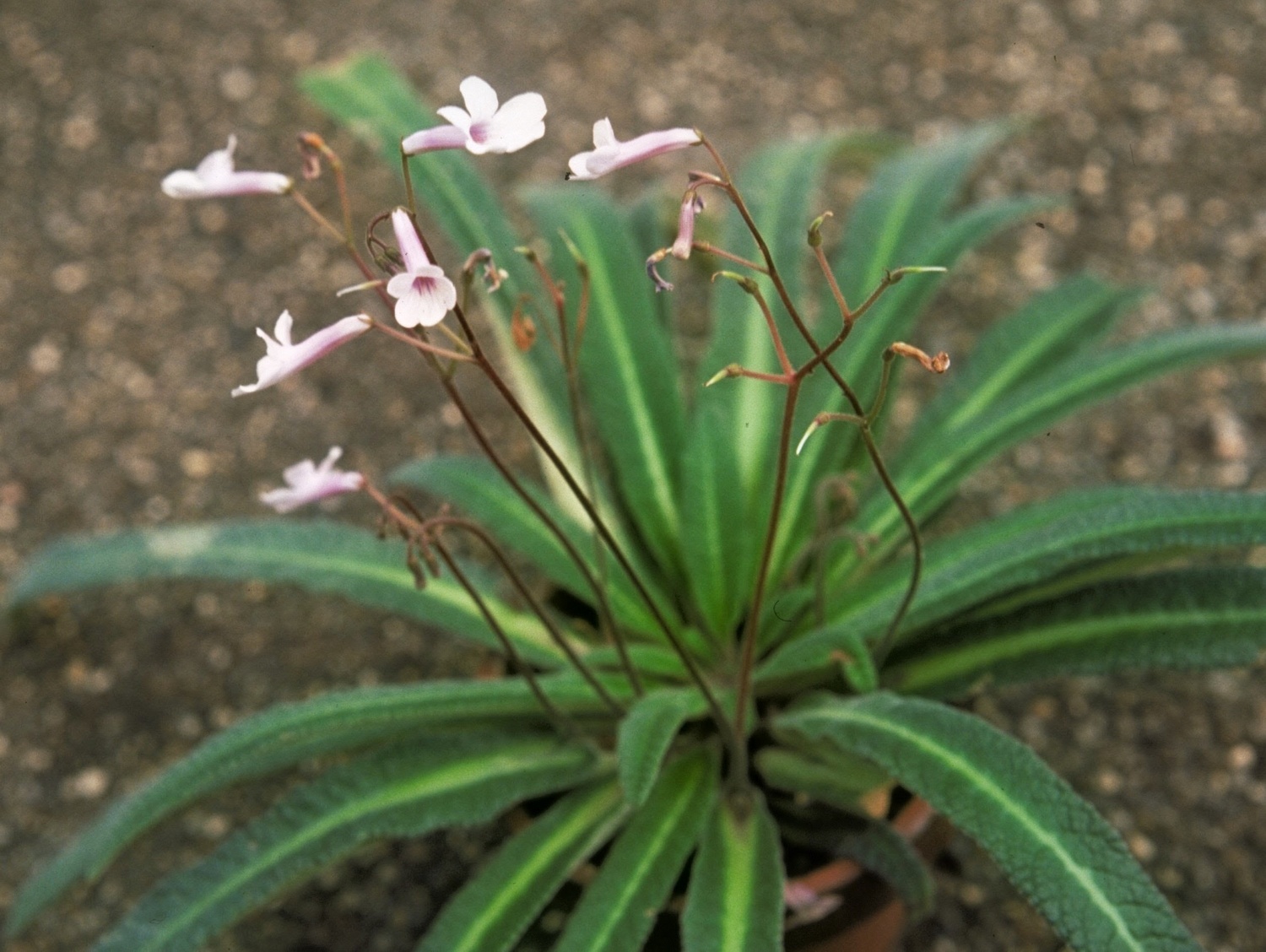
Streptocarpus kentaniensis is a rosulate species which produces numerous very narrow, strap shaped leaves which do not grow very large (30 – 200 x 18 m) with a distinct petiolode (stalk) that can be 30 mm long and 10 mm thick. Each leaf produces an inflorescence with 3 to 5 flowers on fine stalks. Many flowers can be open at the same time on a single plant making a dainty display. The flowers are tube-shaped and relatively short (22-30 mm long), the tube is 20 -25 mm long and wider (6-10mm) across the mouth. The flower colour is white to pale violet outside with a pale yellow stripe and violet spots on the floor of the tube. The yellow stripe divides at the mouth with darker violet streaks.
S. kentaniensis has a very unusual flowering period in early spring from July to September, most Streptocarpus in South Africa flower much later. S. kentaniensis therefore seems to bloom more readily under winter short-day conditions, and consequently is being used to introduce that trait into showier hybrids such as Streptocarpus ‘Crystal Ice’.