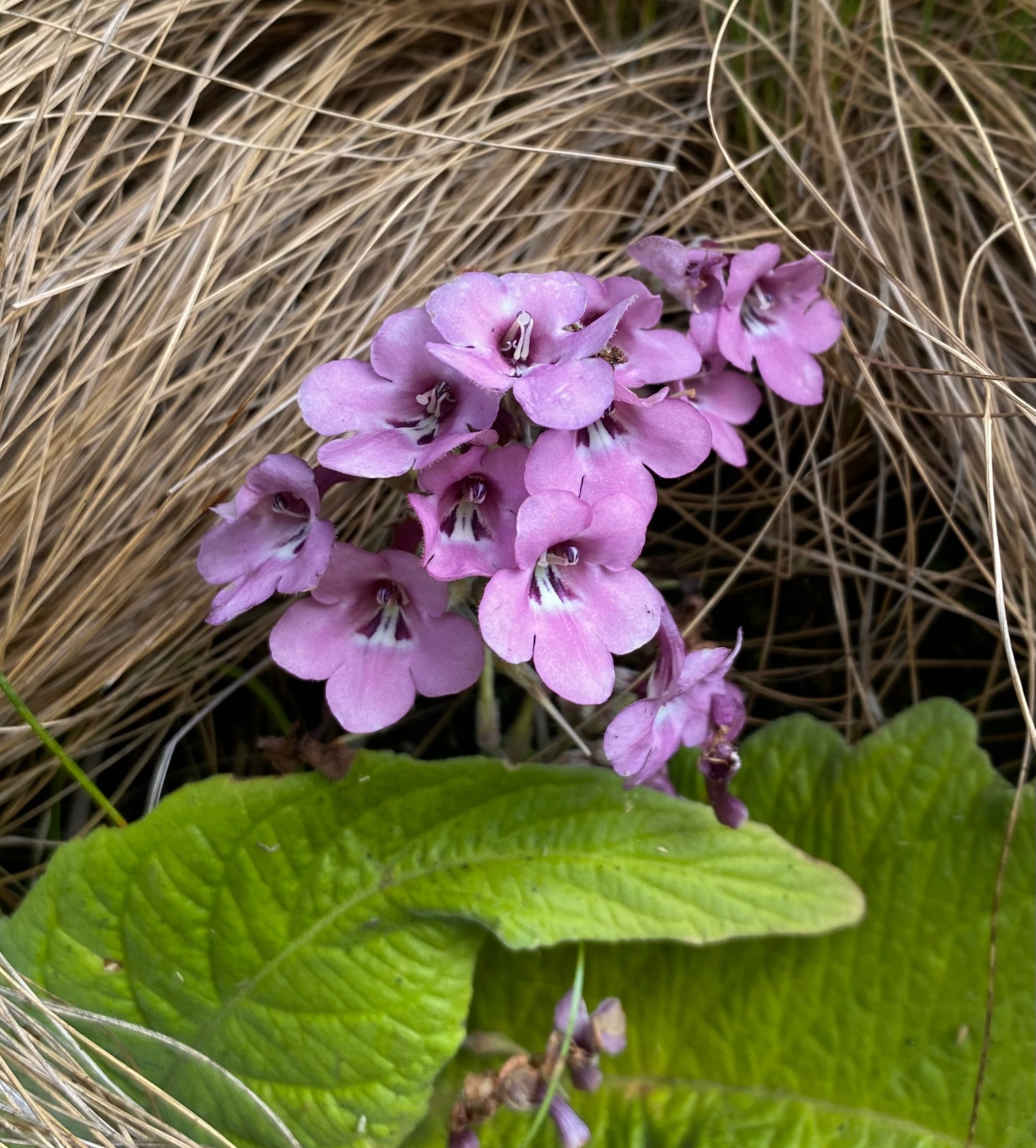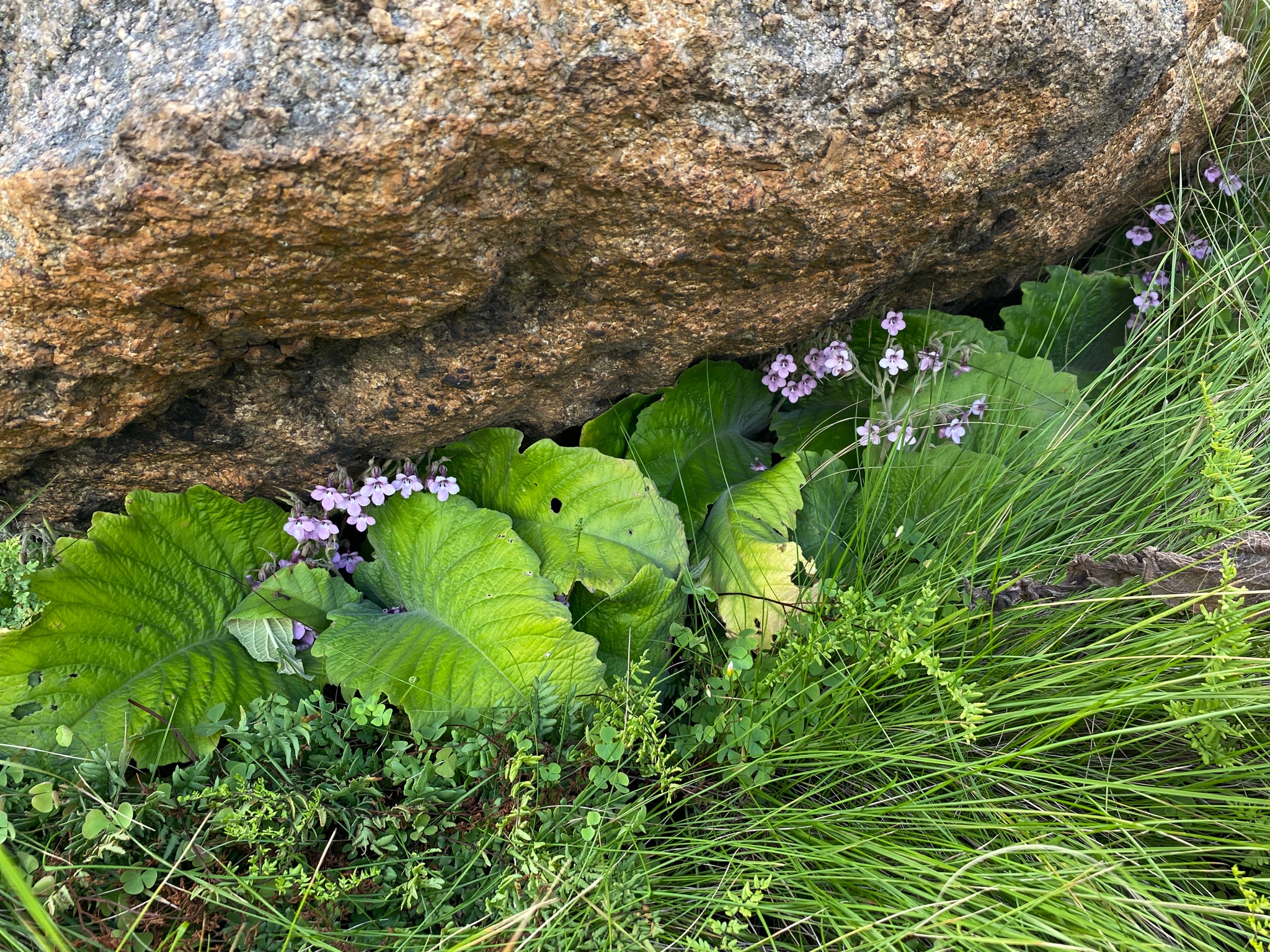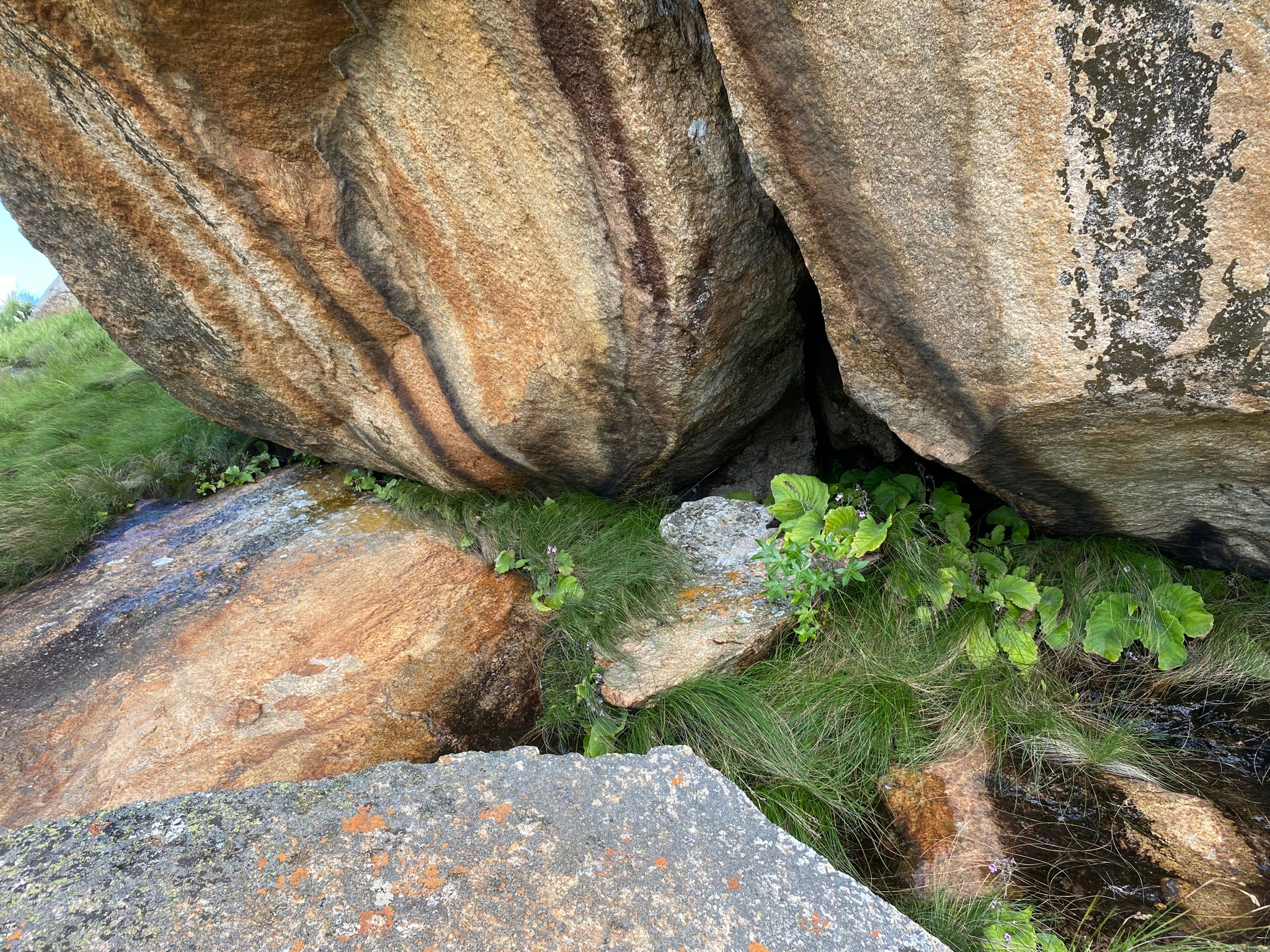
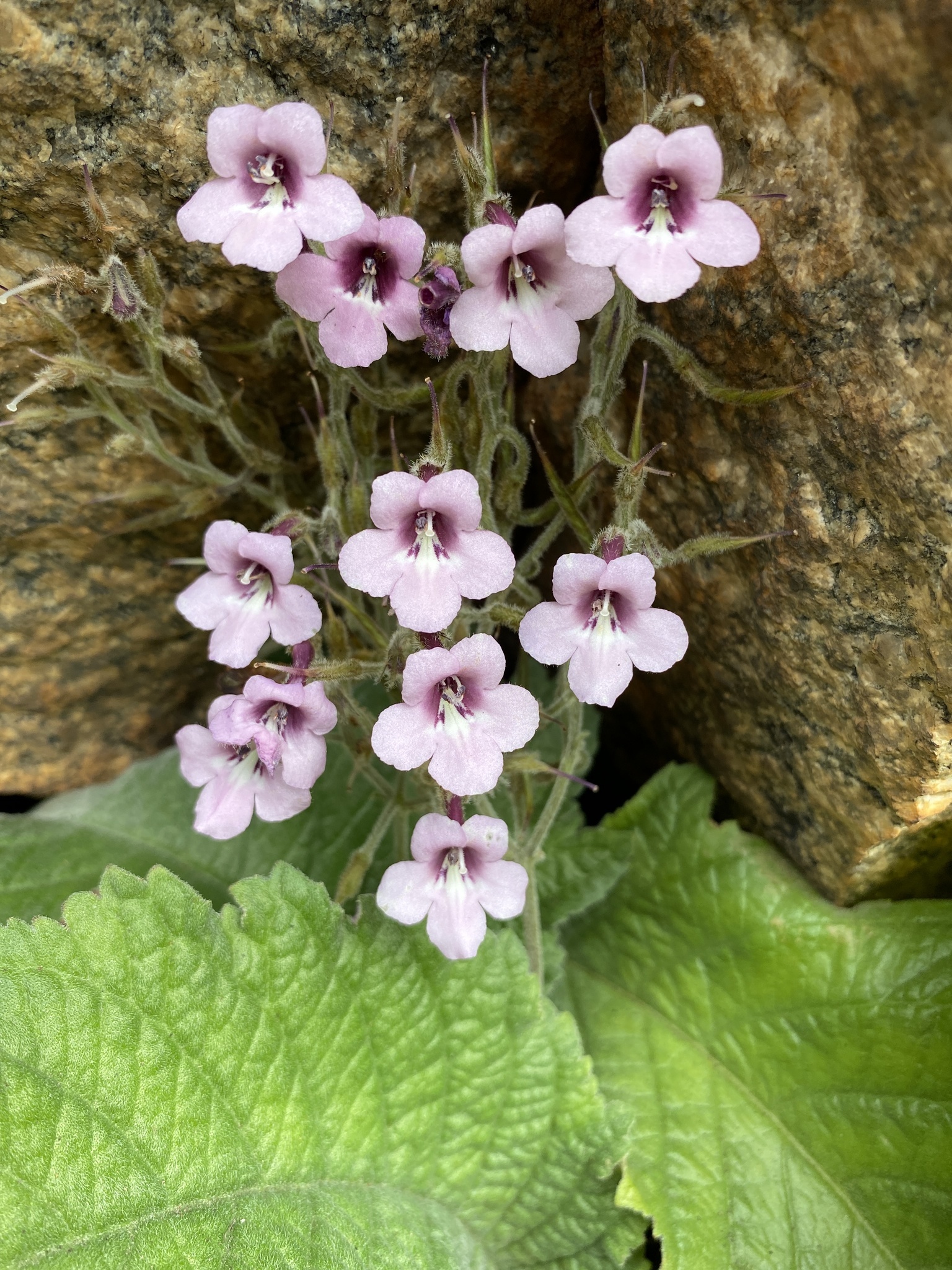
Streptocarpus petrodoxa is a sub-rosulate perennial species closely related to Streptocarpus denticulatus and Streptocarpus pole-evansii. It was originally only reported from a small area inside the township of Kaboweni area outside the town of Mbombela in South Africa. This is a semiurban area which has a high human population but its habitat is protected because of the fact that the granite outcrops on which it occurs are not habitable, even though houses may be built immediately next to them. Its name refers to the rocky habitat in which it occurs (petro = rock and doxa = repute of inhabiting this environment). Recently, it has been found on granite outcrops to the south of this area indicating a larger distribution that is not under such threatened conditions.
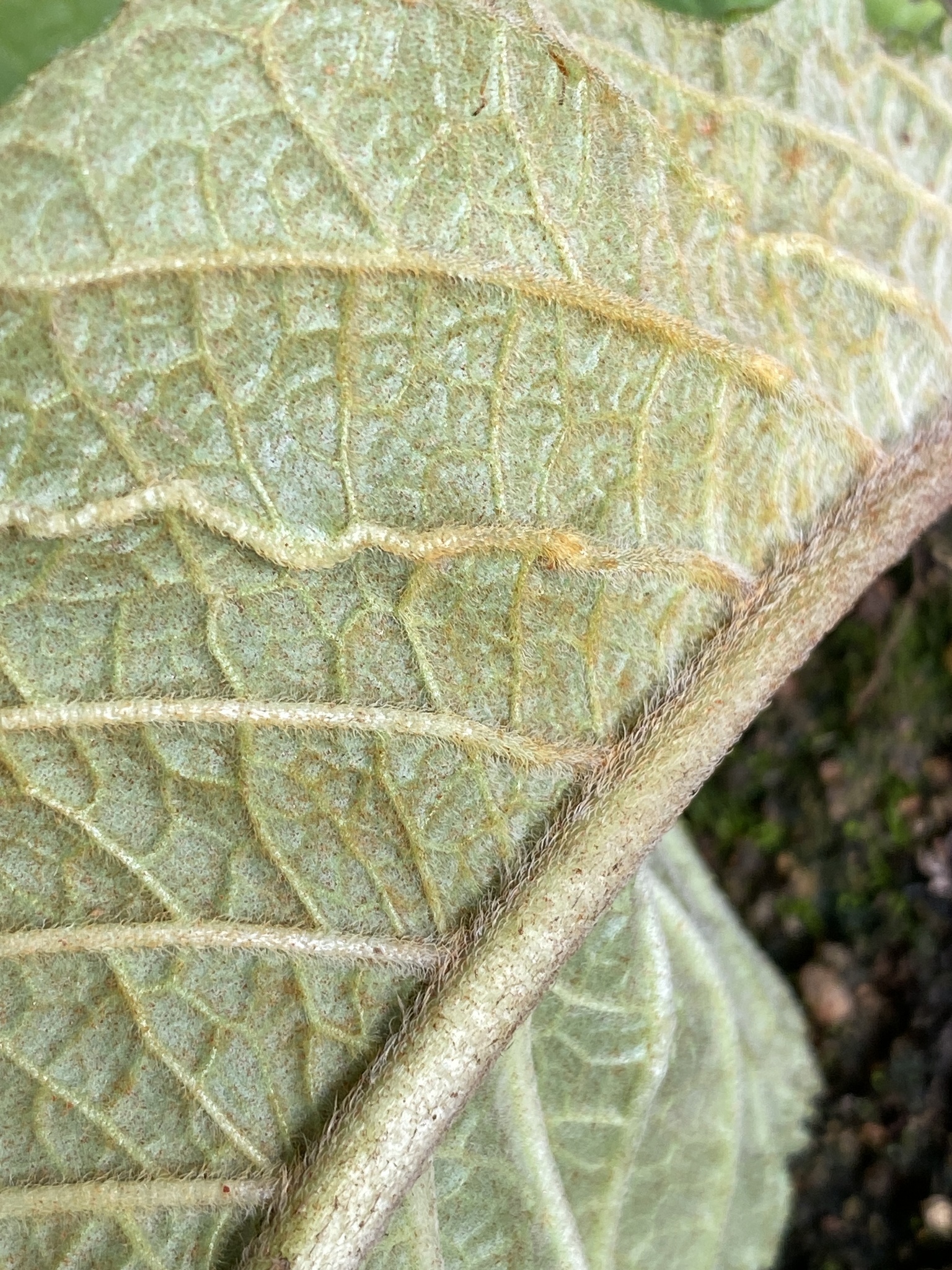
Streptocarpus petrodoxa has 3 to 5 leaves arranged in a rosette, each with a distinct leaf petiolode (leaf stem), although it would not strictly qualify as a rosulate species. Leaves are oblong-lanceolate (300 x 130 mm maximally) with distinct leaf margins that are undulate and crenate. The upper leaf is grey-green with appressed white hairs, the lower surface light green with eglandular appressed white hairs. All parts of the plant contain dark red granules full of the red dunnione pigment responsible for the colour of the red flowers in Streptocarpus dunni. Although clearly related to Streptocarpus dunni, the flower of Streptocarpus petrodoxa does not have a truly red flower. Its short, tube shaped flowers (18-22 mm long) are deep reddish violet with a prominent white stripe on the corolla floor with dark maroon triangles of fainter blotches inside the corolla tube.
The species is highly threatened by human habitation but it is in cultivation.