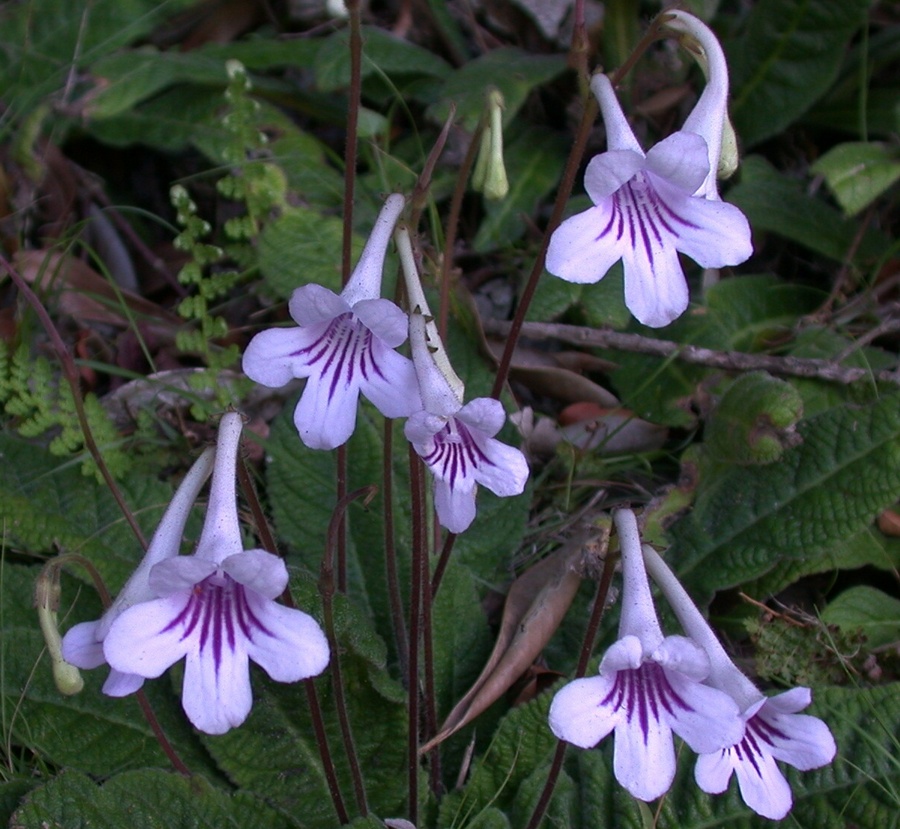
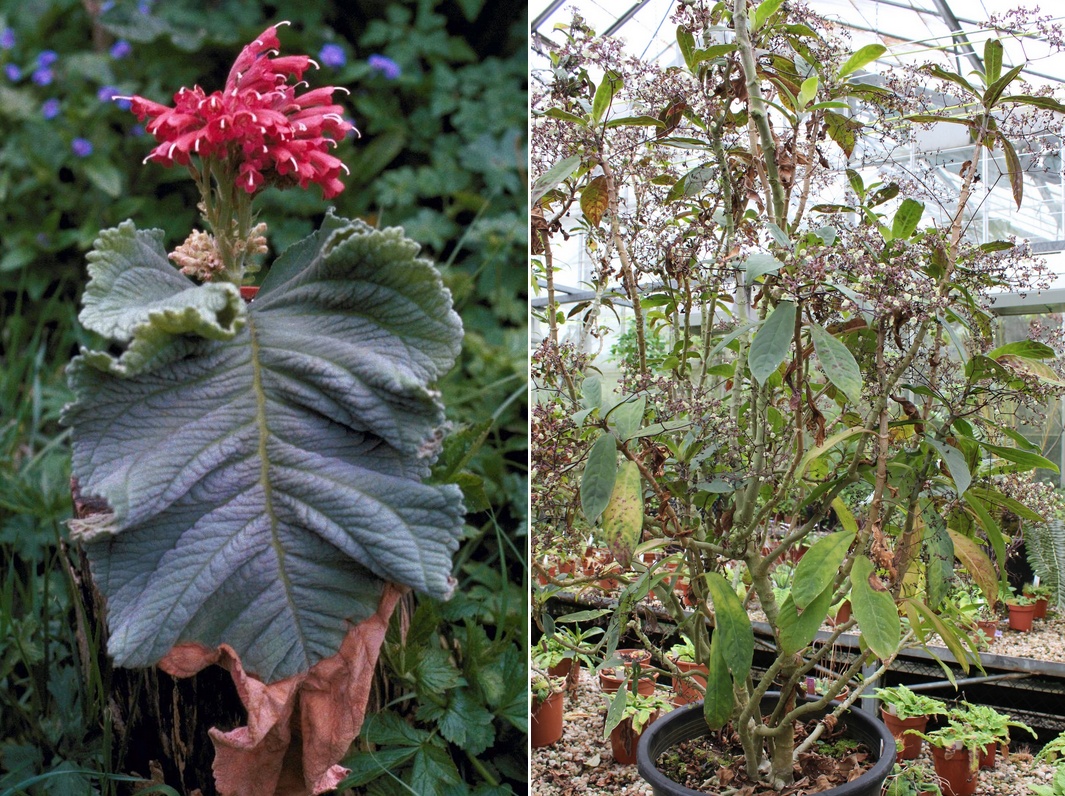
The older classification of Hilliard & Burtt (1971) divided the genus into two subgenera, Streptocarpella and Streptocarpus, based on growth patterns, with the members of the subgenus Streptocarpella being herbaceous (caulescent) and the subgenus Streptocarpus being either rosulate or unifoliate, often monocarpic, herbs. The big DNA analysis of Nishii et al. (2015) supports the classification of subgenus Streptocarpus in its older circumscription almost entirely, with the exception of the inclusion of Madagascan species in the Section Lignostreptocarpus and Section Colpogyne. Species in Section Lignostreptocarpus which grow as tall woody shrubs probably represent the most atypical, almost abnormal, growth forms in the whole genus. Based on stem morphology they would be classified in subgenus Streptocarpella, but the DNA evidence indicates that they do belong in subgenus Streptocarpus. However, it makes perfect sense to place Section Colpogyne in subgenus Streptocarpus as they possess a typically rosulate growth form (and one unifoliate).
It is important to note that most of the cultivated Streptocarpus hybrids (with the exception of the Streptocarpus that were formerly Saintpaulia and subgenus Streptocarpella species and hybrids) come from Section Streptocarpus, making it horticulturally the most important section in the genus. The placement of species in Section Streptocarpus can also be used as a guideline in hybridization in that species in the same group have a higher chance of producing hybrids, although, for example, the red-flowered unifoliate Streptocarpus dunnii, from Group 3 can be readily hybridized with most of the rosulate species placed in Group 5.